Publications
 Partners


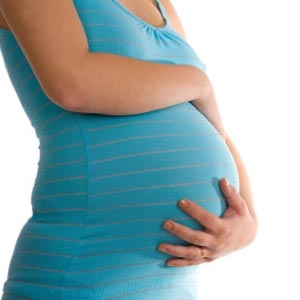
Researchers found that babies born by C-section are five times more likely to develop allergies than babies born naturally when exposed to high levels of common allergens in the home such as those from dogs, cats and dust mites.
Early exposure is key
"This further advances the hygiene hypothesis that early childhood
exposure to microorganisms affects the immune system's development and onset of
allergies," says Christine Cole Johnson, Ph.D., MPH, chair of Henry Ford
Department of Health Sciences and the study's lead author. "We believe a
baby's exposure to bacteria in the birth canal is a major influencer on their
immune system."
Dr. Johnson says C-section babies have a pattern of "at risk" microorganisms in their gastrointestinal tract that may make them more susceptible to developing the antibody Immunoglobulin E, or IgE, when exposed to allergens. IgE is linked to the development of allergies and asthma.
For its study Henry Ford researchers sought to evaluate the role of early exposure to allergens and how this exposure affects the association between C-section and the development of IgE.
Researchers enrolled 1,258 newborns from 2003-2007, and evaluated them at four age intervals – one month, six months, one year and two years. Data was collected from the baby's umbilical cord and stool, blood samples from the baby's mother and father, breast milk and household dust, as well as family history of allergy or asthma, pregnancy variables, household pets, tobacco smoke exposure, baby illnesses and medication use.