Publications
 Partners


Sorry, this category has no content yet.
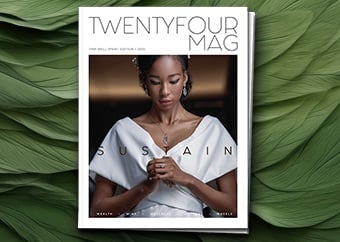
News24's first edition of our new magazine is curated for those who understand luxury and want to celebrate the richness of life.











Rand - Dollar
18.49
-1.1%
Rand - Pound
23.47
-0.9%
Rand - Euro
19.99
-1.0%
Rand - Aus dollar
12.21
-0.8%
Rand - Yen
0.12
-1.0%
Platinum
1,019.90
-1.9%
Palladium
971.50
-2.7%
Gold
2,328.46
-2.1%
Silver
30.09
-2.4%
Brent Crude
81.90
-1.2%
Top 40
72,574
-0.7%
All Share
78,956
-0.7%
Resource 10
62,163
-1.7%
Industrial 25
109,886
-0.2%
Financial 15
17,188
-0.7%
All JSE data delayed by at least 15 minutes

Green dreams come true: UCT graduates take home over R4.5m in Motsepe-backed prize
08 May

WATCH | From delivery driver to graduate: Tshireletso Makabe's journey to honour...
24 Apr

How a Northern Cape village turned an alien tree into superfood coffee
15 Apr

Blades of glory: Mitchells Plain speed skaters bag 9 medals at SA Rollersport...
02 Apr

UNBOXING | Say goodbye to getting lost in translation with this advanced new...
22 May

LISTEN | Unlocking Potential: How the Township Economy is shaping SA's market...
14 May

Get a taste for entertainment on a cruise escape
10 May

The Nedbank Cup: Championing financial fitness alongside football fervour
17 May