Publications
 Partners


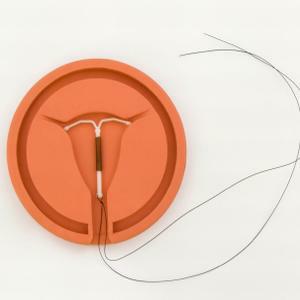
Reasons for using contraception include personal desires (to never have, postpone, or stop having children); medical conditions that could threaten the health of mother or child; and social concerns about environmental effects of over-population.
The effectiveness of the different methods is often given in percentage.s Another more accurate dimension for effectiveness is the so-called Pearl Index which measures the number of pregnancies in 100 women, using a contraceptive technique for one year. For example, the Pearl Index of the "pill" is less than 1 which means there will be less than one pregnancy among 100 women who are using the pill correctly for one year.
"Natural" methods
These methods do not make use of any contraceptive devices or medications.
Barrier methods
Barrier contraceptive devices physically block the access of sperms to a woman's uterus and fallopian tubes. They include the diaphragm and cervical cap, the male and female condom, and the spermicides ("sperm killers") in form of foams, creams and gels.
Hormonal methods
These are contraceptives for women and include oral contraceptives, commonly known as the Pill, as well as hormonal injections, implants and vaginal rings, all containing synthetic hormones. Their method of action is to stop the ovaries from releasing an egg each month (ovulation) and/or to keep the cervical mucus thick so that sperms cannot easily pass through it.
Oral contraceptives are taken according to a prescribed daily schedule. Injectable contraceptives are given as intramuscular injection and prevent pregnancy for two or three months. Implants and vaginal rings, which are less readily available in South Africa, prevent pregnancy by delivering contraceptive hormones to the body from their site of application. Implants are small, rubber-like rods placed under the skin of the arm, while vaginal rings are placed into the vagina.
Hormonal methods require visiting a doctor for a prescription, injection, or placement of implants/rings.
Other methods
These include the IUD and emergency contraception.
Read more:
Birth control not safe yet
Any questions? Ask our sexologist