Publications
 Partners


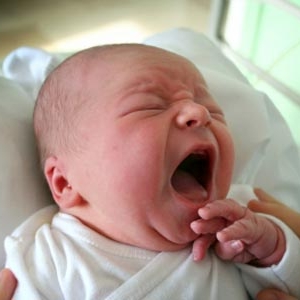
Early life stress like that experienced by ill newborns appears to take an early toll of the heart, affecting its ability to relax and refill with oxygen-rich blood, researchers report.
Rat pups separated from their mothers a few hours each day, experienced a significant decrease in this basic heart function when – as life tends to do – an extra stressor was added to raise blood pressure, said Dr. Catalina Bazacliu, neonatologist at the Medical College of Georgia and Children's Hospital of Georgia at Georgia Regents University. Bazacliu worked under the mentorship of Dr. Jennifer Pollock, biochemist in the Section of Experimental Medicine in the MCG Department of Medicine.
The relaxation and filling rate remained low in the separation model, although decreases stabilized by ages two and six months, as the rats neared middle age. Both the model and controls experienced decreases in those functions that come naturally with age.
What the study found
Interestingly, the force with which the heart ejected blood remained unchanged with the additional stressor, angiotensin II, a powerful constrictor of blood vessels. Echocardiography was used to evaluate heart function.
"We expected the heart's ability to relax and refill to lag behind in our model," said Bazacliu, whose research earned her a Young Investigator Award from the Southern Society for Pediatric Research. She is reporting her findings during the Southern Regional Meetings in New Orleans, sponsored by the society as well as several other groups including the Southern Section of the American Federation for Medical Research.
"We believe these babies may be at increased risk for cardiovascular disease and we are working to understand exactly what puts them at risk," Bazacliu said. She believes hers is the first animal study of this aspect of heart function.
Dr Analia S. Loria, assistant research scientist in Pollock's lab and also a co-author on the new abstract, has shown that the blood pressure of maternally separated rats goes up more in response to angiotensin II and their heart rates go higher as well. Normally, a compensatory mechanism drives the heart rate down a little when blood pressure goes up.
Work by others has shown persistent blood vessel changes in the early stress model, including increased contraction and reduced relaxation when similarly stressed.
Longitudinal studies in humans have shown long-term cardiovascular implications, such as babies born to mothers during the Dutch famine of World War II, growing up at increased risk for cardiovascular disease as well as diabetes, obesity and other health problems.
Effects of stress on newborns
Bazacliu's earlier studies in a similar animal model indicated that babies whose growth was restricted in utero by conditions such as preeclampsia – maternal high blood pressure during pregnancy – were at increased risk of cardiovascular disease as adults. This was true whether the babies were born prematurely or at full term. Increased pressure during development reduces blood flow from mother to baby; reduced nutrition and oxygen to the baby is considered an environmental stress.
Bazacliu's interest in early life stress grew out of the reality that, while obviously intended to save premature and otherwise critically ill newborns, neonatal intensive care units can further stress these babies. "All the procedures we must do, the separation from the mother, the environment, even though the babies need the help, it represents a stress." NICUs such as the one at Children's Hospital of Georgia work to minimize negative impact with strategies such as open visiting hours, minimalising noise and other family-centred care strategies.
Bazacliu came to MCG in 2011 from the University of Buffalo School of Medicine and Biomedical Sciences.