Publications
 Partners


iStock
Loved ones are often concerned about methods of handling another heart attack. Emergency treatment can save a life. All family members should know how to use it.
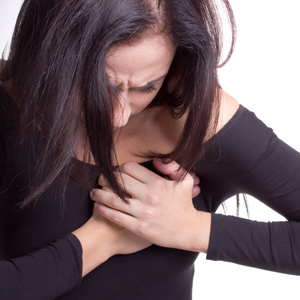
Signs and symptoms to look for
- A persistent crushing pain in the centre of the chest.
- A pain that spreads to the arms, throat, jaw, back or abdomen.
- A pain that does not go away with rest.
- The person may be very pale, weak, sweaty, short of breath, or feel sick.
- Persistent symptoms of indigestion could be a sign of a heart attack.
Not every chest pain is necessarily a need for concern. Harmless chest pains often have the following qualities:
- Not well localised.
- Lasts for hours to days.
- Improves or intensifies, depending on the pressure over the area where the pain is situated.
- Improves or intensifies with breathing or changing of position.
- Can be a shooting pain.
If you suspect a person is having a heart attack, emergency measures should be taken.
What to do if the person is conscious
- Help the person to sit back in an upright supported position on the floor.
- Get someone to phone a doctor or ambulance service.
- Reassure the person that help is on the way.
- Stay calm.
What to do if the person is unconscious
- Open the person’s airway by tilting the head back and lifting the chin.
- Look, listen and feel for signs of breathing.
- Feel with your fingers for a pulse in the neck.
If the person is not breathing and you don’t feel a pulse:
- Close the person’s nostrils with your finger and thumb.
- Take a deep breath and place your mouth over the person’s mouth.
- Blow into the person’s mouth until the chest expands, making sure there is no leak around the mouth.
- Repeat once.
- Find the notch at the bottom of the person’s breastbone.
- Measure two finger-widths above this.
- Place both hands on the breastbone.
- Press down firmly, steadily and smoothly 15 times, at a rate of around 80 times per minute.
- Keep repeating these steps until professional help arrives.