Publications
 Partners


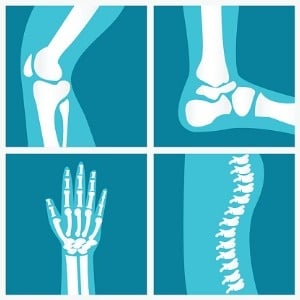
Many types of rheumatic diseases are not easily identified in the early stages. Rheumatologists are specially trained to do the detective work necessary to discover the cause of swelling and pain. It’s important to determine a correct diagnosis early so that appropriate treatment can begin early. Some musculoskeletal disorders respond best to treatment in the early stages of the disease.
Because some rheumatic diseases are complex, one visit to a rheumatologist may not be enough to determine a diagnosis and course of treatment. These diseases often change or evolve over time. Rheumatologists work closely with patients to identify the problem and design an individualised treatment program.
In South Africa, there is a great shortage of rheumatologists, and according to the Arthritis Foundation, not more than 40 in the country as a whole. According to the World Health Organization, there should be one for every 180 000 people, so the shortage is obvious in South Africa. Most of them are also attached to the training hospitals in urban areas.