


 Publications
 Partners


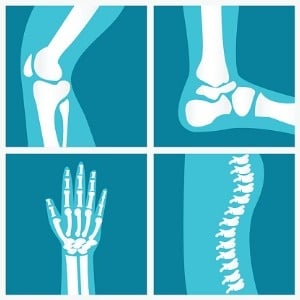
There are noticeable differences between rheumatoid arthritis and osteoarthritis.
How can I tell the difference between inflammatory and mechanical joint diseases?
Check out some of the common symptoms below and see where you might fit in.
The symptoms frequently associated with and defining the two different types of arthritis include morning stiffness, joint paint, reaction to a cortisone injection, joints involved and more.
Once you know which type of arthritis you have, it is easier to find treatment for pain, swelling and stiffness.
| Symptom | Inflammatory joint disease (e.g. rheumatoid arthritis) | Mechanical joint disease (e.g. osteoarthritis) |
|---|---|---|
| Does activity increase or decrease the pain? | The longer you’re inactive, the worse is the pain. Rest worsens the symptoms, activity improves the symptoms. Be active! | Activity tends to increase the pain and stiffness, and rest improves the symptoms. |
| Morning stiffness? | You wake up with stiff joints, but it improves after an hour or more. The more you use your joints, the sooner the stiffness subsides. | You wake up with stiff joints, but the stiffness lasts 15-30 minutes, then it becomes easier to move. |
| What do the joints look and feel like? | Joint swelling is usually soft, because it is caused by inflammation and fluid. | Joint swelling can be soft (fluid) or hard (bony). |
| The swollen joint is usually warm to the touch and may even be red. | The swollen joint is usually not warm when you touch it. | |
| You have limited movement. | You have limited movement. | |
| The swollen joints are always tender to touch. | The swollen joints are sometimes tender to touch. | |
| The joints often make a “grinding” noise during movement. | ||
| Which joints are aching or stiff? | All joints – particularly the small joints of the hands and feet. | Your weight-bearing joints – the big ones: back, knees, hips. |
| Any joint which has been previously injured, infected or even longstanding inflammatory joint disease. | ||
| The small joints of the hands (tends to run in families). | ||
| Fatigue | You feel very tired and fatigued. | Your fatigue is minimal. |
| Systemic involvement | Other body organs may be involved, e.g. eyes, lungs, blood vessels. | Other body organs are not involved. |
| Do the symptoms respond to cortisone? | Yes, often dramatic response. | Usually no dramatic response. |











