Publications
 Partners


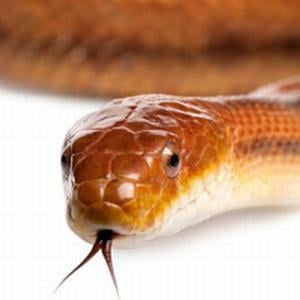
Staying calm and getting as quickly as possible to a medical facility will give you the best chance of surviving a venomous snakebite. Even if a hospital doesn't have antivenom, in most cases there will be enough time to order it in and provide supportive care in the interim.
It's important to remember that most snakes aren't venomous, and, when a venomous snake does bite, it will seldom be fatal. However, these bites can cause permanent injuries to the affected part, usually a limb, and occasional loss of life if infection sets in. Thus all snakebites should be considered a medical emergency, especially if identification of the snake is in question.
View: 12 dangerous snakes
The mortality rate from snakebite is around one in every 68 bites, resulting in about 15 fatalities a year in South Africa.
About 20% of bites will require major treatment. Recovery from a bite is influenced by several factors, including the amount of venom injected, the site and depth of the bite as well as the health, body size and age of the person. The time it takes to receive medical treatment also plays a role.
Symptoms
Symptoms depend on the type of venom injected:
• Most adder venom (such as from puffadders) is toxic to tissue (cytotoxic), especially blood vessels. It causes extreme pain, swelling of the limb and blistering. An untreated bite may cause death due to loss of blood, dehydration and secondary infection.
• Mamba and cobra venom are toxic to the nervous system (neurotoxic). Symptoms include “pins and needles”, dizziness, poor co-ordination, slurred speech, excessive salivation and drooping eyelids. This is followed by difficulty in breathing.
• Boomslang and vine snake venom are toxic to blood cells and the blood loses its ability to coagulate (haemotoxic). Early symptoms include headaches, nausea, diarrhoea, lethargy, mental disorientation, bruising and bleeding at the site and all body openings.
Get to a hospital immediately if you have been bitten by a snake, unless you are absolutely certain that it is not a venomous one. Phone the hospital en route and provide information about symptoms, and describe the snake if you can, so that no time is wasted in getting the correct antivenom.
Not all medical facilities will have antivenom, and they may need to order this in. However, in most cases there will be enough time for a patient on correct supportive care: neurotoxic venom is very fast-acting (20 minutes in the case of a black mamba), but other types of venom take several hours to take effect.
Read: Quick snake facts
First Aid for snakebite
DO'S:
• Get everyone well away from the snake.
• Get medical help as soon as possible
• Try to obtain a clear description of the snake. However, this isn't essential, and you shouldn't waste time looking for it. The symptoms will give the doctor a good idea of the kind of snake (neurotoxic etc.), and the severity of the bite.
• Stay calm, and reassure the person who has been bitten. Fear and anxiety cause an increase in heart rate, and thus a more rapid spread of venom throughout the body.
• For neurotoxic and haemotoxic snake bites, it may help to wrap a crepe or pressure bandage firmly around the area of the bite, covering the entire limb (from fingertip to armpit; from toe to groin). Apply hand pressure at the site of the bite until a bandage or strips of fabric can be obtained.
• Keep the person as still as possible and immobilise the affected limb by binding splints (e.g. straight branches) to either side of the limb. Keep the affected area lower than the heart if possible.
• If a snake spits into someone's eyes, rinse with large amounts of water, preferably by holding the head under a running tap for about 15 minutes. This will also require treatment at hospital: a drop of antivenom is placed in the eye.
• Observe the person closely and record any symptoms and the time taken for them to appear.
• If the patient stops breathing, you will need to breathe for them until they can get expert medical help.
DON'TS:
• Don't use antivenom except in a hospital environment. Some patients react against antivenom and may go into anaphylactic shock, a serious condition that requires emergency medical treatment. Antivenom also needs to be kept refrigerated, injected correctly (into the bloodstream, not the muscle, and not into the bite site), and given in sufficiently large quantities to be effective.
• Don't cut and suck the wound, or use suction cup devices or electric shocks
• Don't give the patient anything to eat or drink
• Don't rub potassium permanganate into the wound or soak the limb in home remedies
• Don't try to catch and kill the snake
Preventing snake bites
• Don't try to catch or kill snakes; get in an experienced snake handler.
• Watch where you step. Always use a torch when you walk outdoors at night.
• Wear boots and long trousers in the bush or veld. Step on top of, not over, logs or rocks. Stick to well-cleared footpaths.
• Don’t put your hand into holes, above your head onto ledges, or under objects when picking them up.
• Stay away from "dead" snakes - they may be feigning death.
• Always keep your cell phone with you when hiking, and keep it charged. If you're going to be in an area without cell reception, consider getting radio communication, and make sure someone knows where you're going and when. Have all the relevant emergency numbers on you, and know which are the nearest medical facilities.
• Don't keep exotic snakes as pets; antivenom for their bites is not available locally.
• Don't be blase about snakes; many bites (and some deaths) occur as a result of snake collectors and even experts with many years experience getting careless.
Also read:
Become a snake wrangler
1000s deadly snakes kept as pets
References:
Cohen, Phillip. Pers comm. Material presented to the Congress of Emergency Medicine, Cape Town, 2010