Publications
 Partners





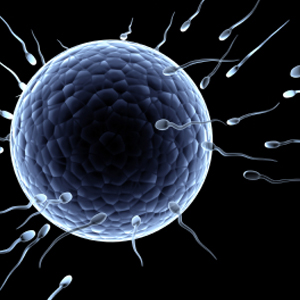
A man's ability to produce sperm may depend on his ability to handle stress, according to a new study from Italy. Researchers found that men with higher levels of both short- and long-term stress and anxiety ejaculated less semen and had lower sperm concentration and counts.
Men with the highest anxiety levels were also more likely to have sperm that were deformed or less mobile. But one fertility researcher not involved in the new work said it's hard to know how the results apply to the general population because the research included men who were already seeking treatment at a fertility clinic.
"Do you become stressed from becoming infertile or is stress causing infertility?" asked Tina Jensen from Rigshospitalet in Copenhagen, who has studied the effects of environmental factors on sperm quality.
What previous studies showed
Previous research has found that men going through fertility treatment or evaluation have higher stress levels than the average person, and some studies have also shown links between stress and sperm quality, according to the Italian researchers, led by Elisa Vellani of the European Hospital in Rome.
But no one had looked at whether short increases in a man's stress and long-term anxiety had differing effects, Vellani and her colleagues write in the journal Fertility and Sterility.
For the new study, the team recruited 94 men who were visiting the hospital's fertility clinic for the first time, and 85 other men who were not seeking fertility treatments as a comparison group.
Each man provided a semen sample for analysis. The men then answered two surveys that measured their current stress and long-term anxiety on scales ranging from 20 to 80 points, with higher scores indicating greater stress or anxiety.
How the study was done
On average, men in both groups scored between 37 and 40 on the tests, which is not considered "pathological," the researchers note. When Vellani's group compared the 28 men with the lowest stress and anxiety levels to the 40 men with the highest levels, however, they found the stressed men were more likely to have lower sperm concentration and counts.
The most stressed men's sperm we also more likely to be immobile and slightly more prone to DNA breaks."Taken together, our observations strongly suggest that (stress and anxiety) may represent a significant factor involved in male fertility," wrote the researchers, who did not respond to requests for comment.
They note in their report, however, that the association between stress and sperm quality was weaker in men who were not seeking fertility treatment, and who also seemed to have better sperm quality anyway.
For example, men seeking fertility treatment produced about 29 million sperm per milliliter of semen, compared to approximately 52 million sperm per milliliter produced by the men in the comparison group.
15 million sperm per milliliter is considered normal.
By the World Health Organisation's standards, anything above 15 million sperm per milliliter is considered normal. Vellani and colleagues conclude that "social and psychological factors" should be considered when assessing possible causes of infertility and addressed as part of infertility treatment.
Jensen said that it's hard to tell how different the most and least stressed men were based on the study report, but agreed that the results are probably most relevant to men who are going through fertility treatment, which she said is itself very stressful."Generally, for normal men it's not important," Jensen said.